3 Things I Avoided To Set Me On The Right Financial Path
In still far from where I want to be, but I must say, I like the direction I’m going towards financial freedom
Sometimes, we have to give ourselves a pat on the back and say good job.
I have made some significant choices / decisions to help me get this point
I want to talk about 3 of them, that in my opinion, has set me up in the right direction and lean closer towards where I want to go.
The three things are:
Never having a car payment
Buying a house I could comfortably afford
Not listening to random financial advice and staying the course
Never Having A Car Payment
The first thing I avoided was having a car payment.
Now this might sound small, but this decision alone can change someone’s entire financial trajectory.
The average car payment on a used car in Ontario right now is $580. The average car payment on a new car is $915.
A lot of people don't even realize how expensive that really is.
Let’s do some quick math. Let’s average out a payment between a new and used and say someone has a car payment of $700
If you have a $700 car payment, that’s $8,400 a year.
Over Five years, that’s $42,000 and that’s just the payment.
That doesn’t include:
insurance
gas
maintenance
interest
Cars are one of the fastest depreciating assets you can buy, yet somehow, society has normalized the idea that it’s completely normal to finance them.

I made a decision early on, that I would never have a car payment even when I was younger, and didn’t have much financially literacy
I've only bought used reliable Japanese cars.
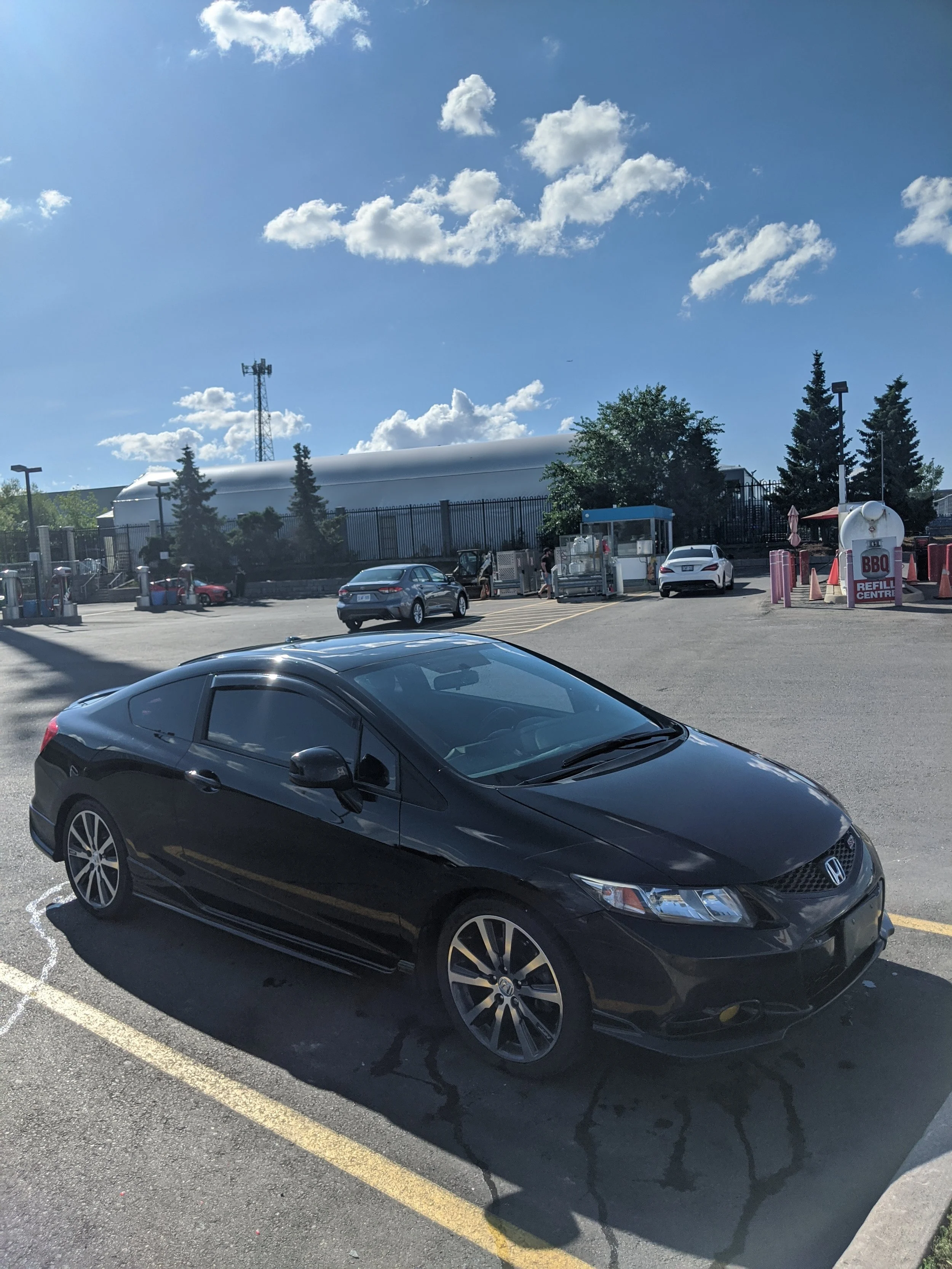
For example; the last car I bought was in June of 2020. It was a 2013 Honda civic SI coupe and I paid 10k for it.
That money used on a car payment could go towards:
investing
saving
real estate
opportunities
The crazy thing is, a lot of people are driving around in expensive cars while feeling broke every month.
Sometimes financial freedom looks like driving a regular car while everyone else is upgrading every three years.
Buying A House I Could Actually Afford
The second thing I avoided was buying more house than I needed.
Me and my wife bought a pre- construction 2 bedroom, 3 bedroom townhouse in January of 2020.
She was my girlfriend at the time, but we sat down and said this should be our next move.
At this time, there were a lot of bidding wars for presale houses. So we went the pre-construction route to avoid all of that.
When we deciding the purchase a home together, we went out for dinner, sat down, ran the numbers and figured out what we could comfortably afford.
A general rule of thumb in the personal finance world, when it comes to buying a home, is to have a 20% downpayment and that no more then 30-35% of your income should go towards housing.
We all know what happened during 2020 with the pandemic. Our house got delayed and it didn’t seem like it was going to get built.
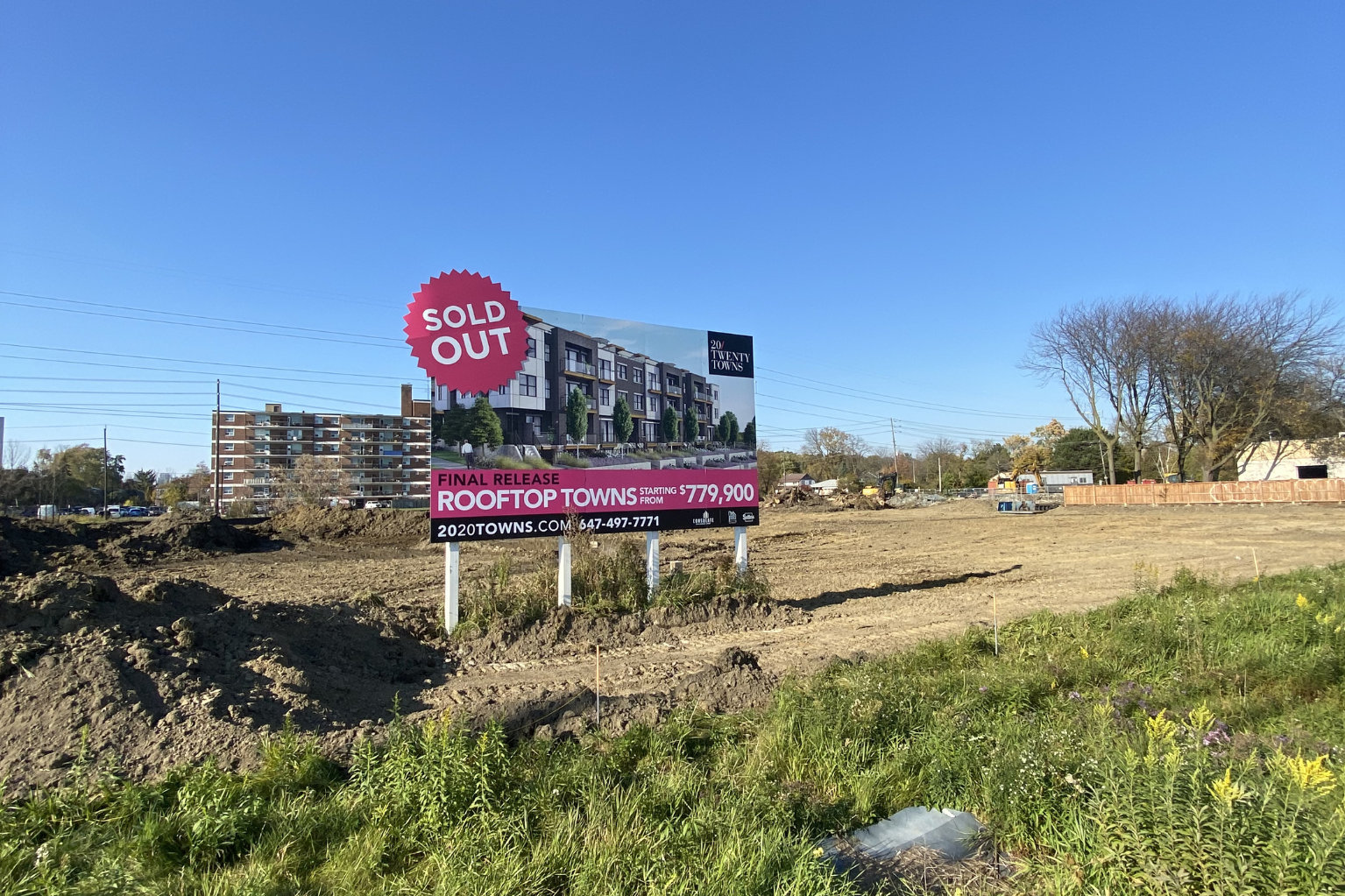
We got very lucky as we got our 20% deposit back, and purchased a resale townhouse in late 2024
Since real estate was dropping, many of my family members were saying, buy a bigger, prices are cheaper.
However me and my wife had a price range, knew what we could afford and sticked the script
Instead of maxing things out, we decided to buy a house that we could comfortably afford.
That decision gave us something that’s extremely valuable. Financial breathing room.
When your mortgage is manageable, you’re not stressed every month. You’re not living pay-check to pay-check trying to cover your housing costs.
You have room to:
invest
save
handle unexpected expenses
take advantage of opportunities
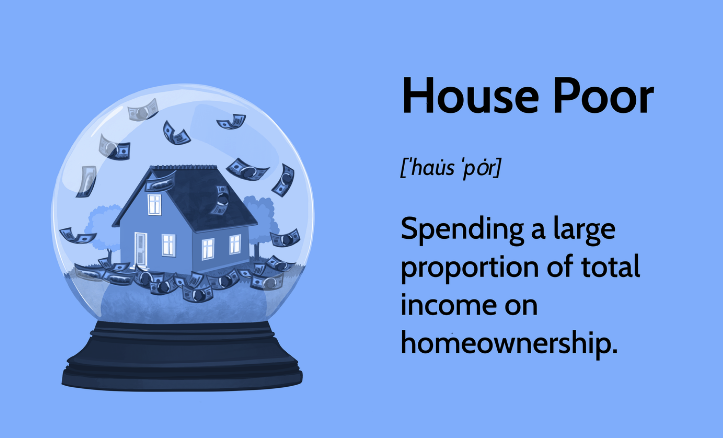
A lot of people become house poor. They have a beautiful home but no flexibility financially.
The bigger the house, the bigger the:
mortgage
property taxes
maintenance
insurance
utilities
Sometimes the smartest financial move isn’t buying the biggest house you can afford, it’s buying the house that gives you the most freedom.
Not listening to random financial advice
The third thing I avoided was listening to random financial advice from everyone around me. And this one is huge.
You’ll hear things like:
“You should invest in this.”
“You should sell that.”
“You should buy this property.”
“This is the next big opportunity.”
The reality is, a lot of people giving financial advice aren’t actually where you want to be financially.
Majority of the time, they don’t have the receipts the back up what they are saying
When I hear: “I know someone” or “I’ve heard of,” the red flags go up right away
Early on, I made a decision to stay the course based on my own research and experience.
When I tell you guys I’m a financial nerd it’s for a reason.
There is a lot of good information online, however, more times then not, I’m sent a 1-3 minute tiktok or instagram reel, and expected to make a major financial decision with my money based on that. I prefer books honestly. Most books and backed with data.
I remember my first investment purchases like they were yesterday. I opened up my questrade account with first $1000.
My first 3 investments were a Vanguard S&p 500 ETF, Husky Energy and Dollarama.
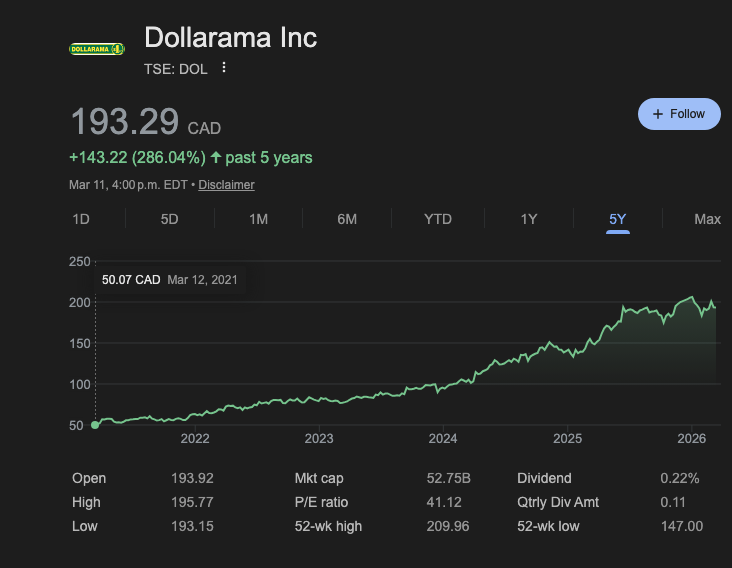
I still have Vanguard s&p 500 etf till this day, but sold husky energy which was bought out by another company and also sold Dollarama.
I should have probably held on to the Dollarama shares. I bought it at $35 sold at $51, but now it’s at $193.
Early on, I would listen to other people’s opinion on how they would invest and how they are always in and out of the market, but it really wasn’t for me.
The more research I was doing on the FIRE movement, and seeing how simple effective their strategy was, I just focussed on ETF investing.
It’s worked out great for me thus far.
Even when selling my condo, a lot of my family members asking me: why are you selling? Rent it out.
The problem though was that they never ran the numbers and were just speaking off opinion and emotion. Most have never had invest in real estate or even been a landlord.
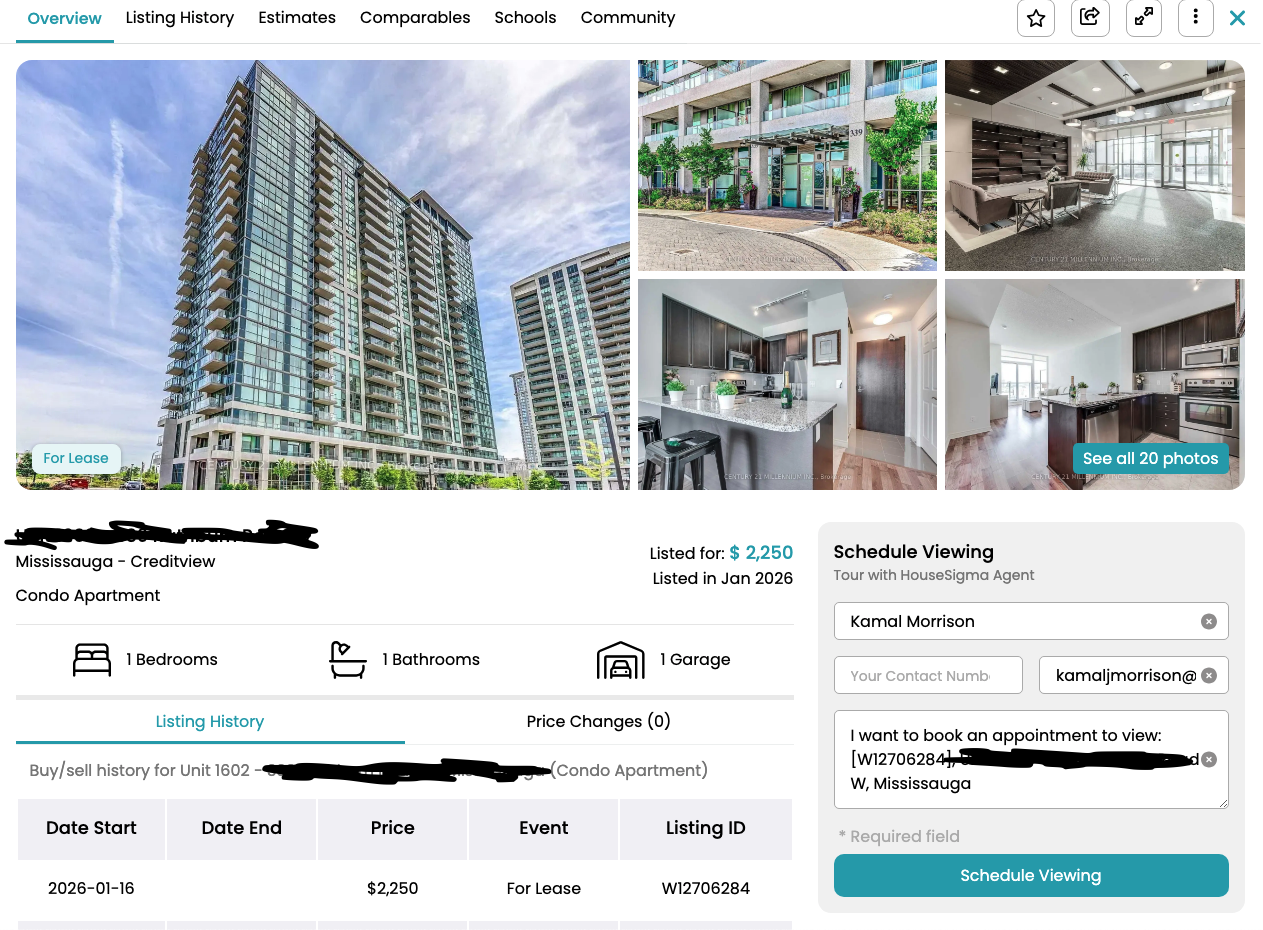
The plan was to rent out the condo, but the market changed and it wasn’t going to be a good investment. Especially when compared to my stock markets returns where I could deploy the capital into the market.
First, I was at a 2.8% rate and I would have to refinance at 4.5%.
The mortgage would be at $1,771 plus the $500 maintenance fee, totalling $2271.
Leases in my building were going for less then that or just around the same amount.
No surplus for maintenance or if tenets decide not to pay.
Secondly, once I make it an investment property, and take income from it, I’m now subject to 50% capital gains tax.
Since i moved from one primary residence to another, I was able to take all of the funds from the sale of the condo TAX FREE.
say that to say this, I don’t all ignore advice completely, I just filter it out and process it in real time.
The Bigger Lesson
None of these are flashy decisions. In fact, they are actually pretty boring.
I believe that’s the thing about building wealth. It’s usually boring and disciplined, not exciting and impulsive.
The difference between people who build wealth and people who struggle financially often comes down to small decisions made consistently over time.
Avoiding certain traps can be just as powerful as making great investments.