Which Side of Money Are You On?
I had a conversation with family recently that got me thinking about something.
We were talking about houses and the idea of me eventually buying a bigger house.
And I started thinking about the choices we make with our money.
Because when you really look at the financial system, there are usually two sides to a transaction.
Someone is borrowing money, and somebody is lending it.
Someone is paying interest, and somebody is collecting it.
Someone is buying a product or service, and somebody owns the company selling it.
I'm not saying one side is always bad and the other side is always good.
I'm asking a different question: Which side do you want to be on?
The more I've learned about personal finance and investing, the more I've realized that I don't just want to participate in the economy as a consumer.
I want to own pieces of the companies that benefit from the money flowing through it.
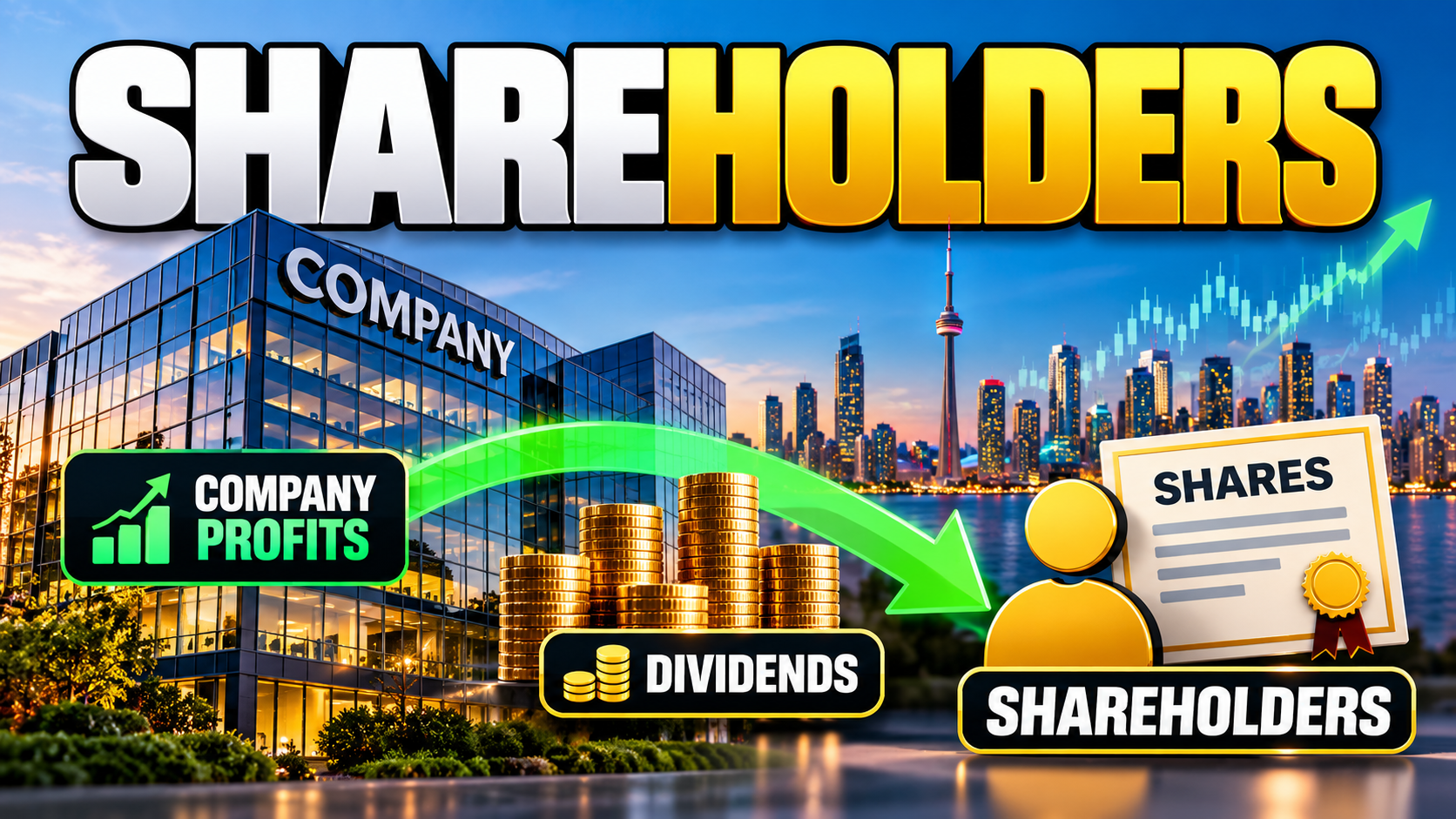
The Bigger House Conversation
I was talking to family and there were curious if I plan on buying a bigger house in the future. I answered them said it would have to make sense for me.
I’m not sure as I get in older in age that I want to take on more debt.
I was explaining to them that a bigger house is going to cost more money and I’ll be going into paying off a loan from the start all over again.
I'm going to pay a significant amount of interest to a financial institution. That's how mortgages work.
But then I said: What if instead of only giving more money to the bank, I also owned the bank?
Through investing, I can own shares of Canadian banks and financial institutions.
Those companies make money from mortgages, loans, fees, wealth management, credit products and many other financial services.

So there are two sides.
I can be the person saying: "I want the biggest house the bank will approve me for."
Or I can potentially keep my housing costs more reasonable, and put some of that extra money toward investments where I become an owner of businesses.
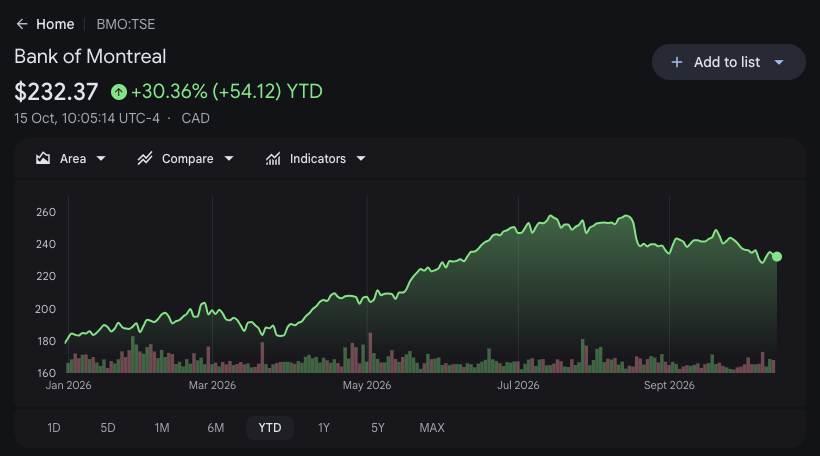
One of the big six banks in Canada, Bank of Montreal, is up 30% for the year !!!
You guys know I’m more of a ETF investor.
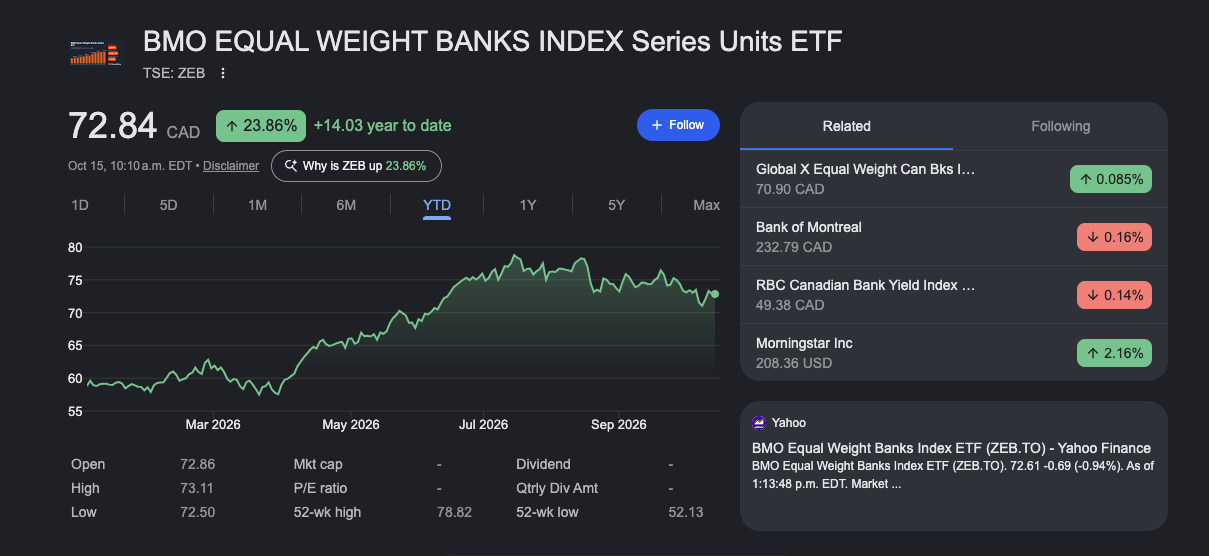
There is BMO etf that holds all the big 6 banks in 1 fund.
The ticker for this ETF is ZEB. It’s BMO Equal Weight Banks Index ETF.
It’s up 23% for the year.
Energy Prices: Consumer vs Owner
Another conversion someone was bringing up to me is the price of gas.
There is a constant complain and frustration with about energy costs.
Gas is expensive. Heating is expensive. Electricity is expensive.
I understand the frustration because we're all consumers of energy, but there's another side of that transaction.
There are companies producing, refining and selling that energy.
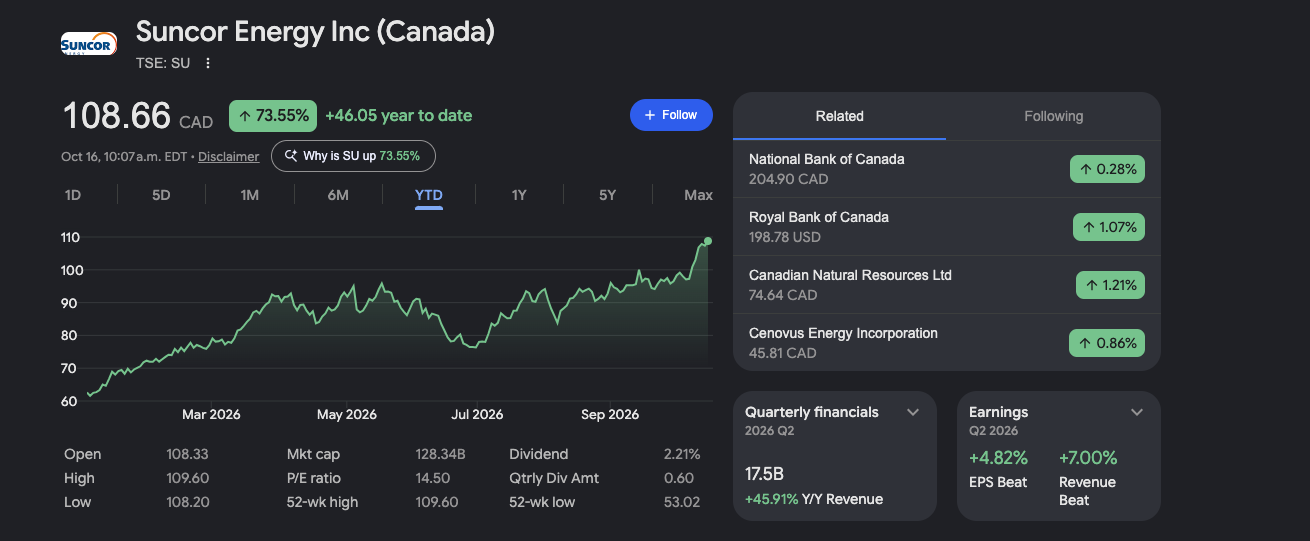
Take a company like Suncor Energy.
When energy companies are profitable, their shareholders have the opportunity to participate in those profits through potential share-price appreciation and dividends.
Suncor is up 46% for the year !!!
Personally, instead of trying to pick individual Canadian energy companies, I have exposure through ETFs.
One of the ETFs I own is XEI.
XEI isn't strictly an energy ETF. It's a Canadian high-dividend ETF that owns companies across different sectors, but energy is a meaningful part of it.
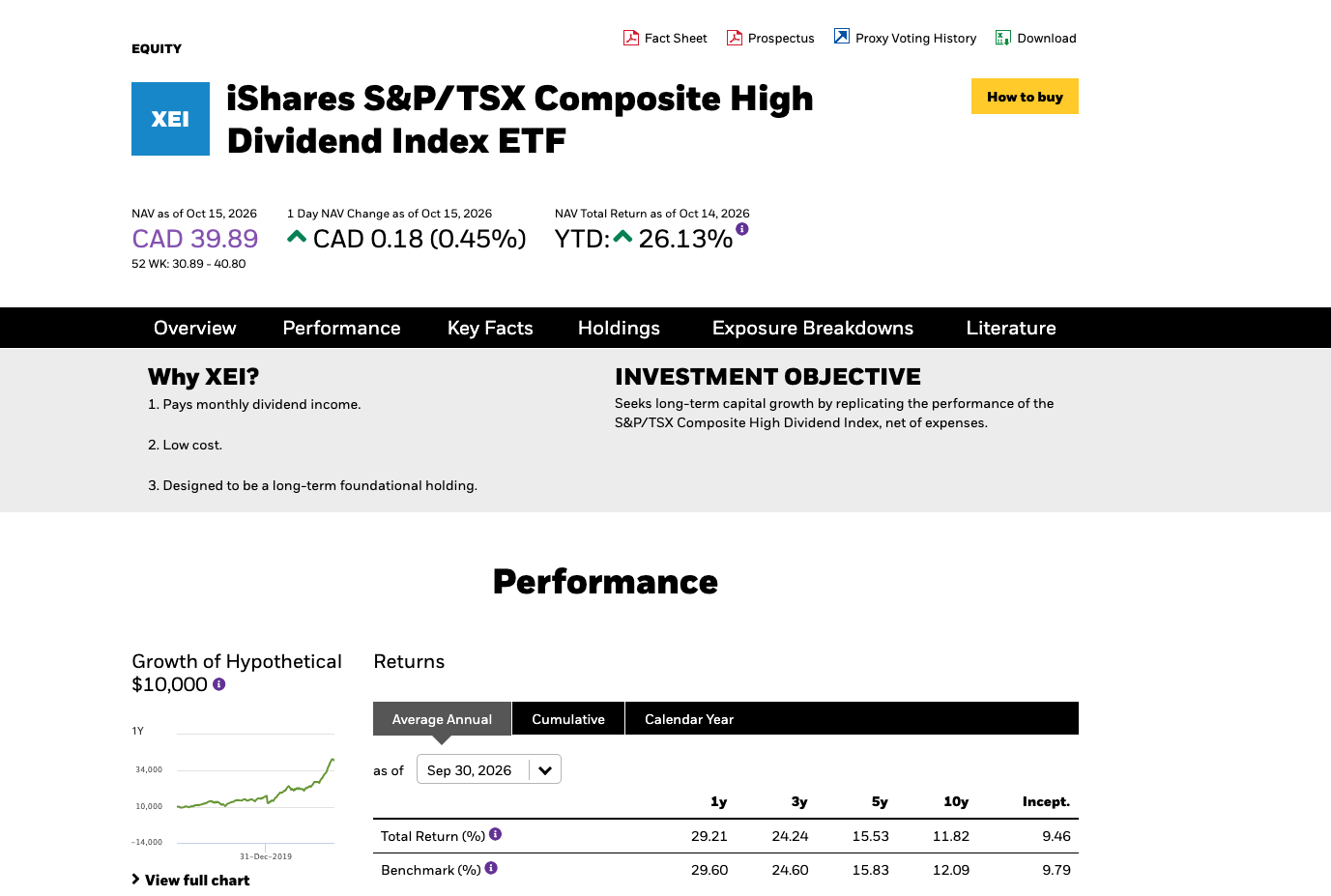
So when Canadian energy companies are doing well, I potentially participate in some of that upside as an investor.
I'm still paying for gas. I'm still paying to heat my home. I'm not magically escaping higher prices.
But I'm also trying to build ownership in the economy.
Instead of only saying: "Look how much these companies are charging us."
I can also ask: "Can I own some of these companies?"
Credit Cards
Credit cards might be the clearest example.
We constantly hear about people struggling with credit-card debt.
The average credit card balance for a Canadian is around $4,681.
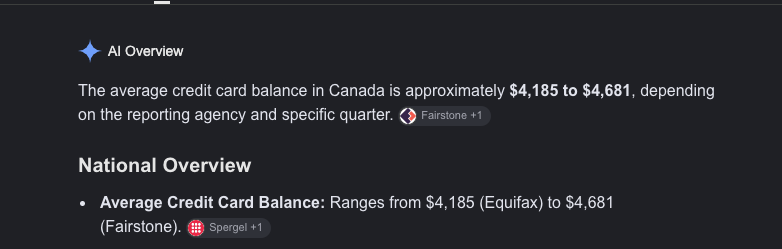
The average monthly credit card spend for Canadians is around $2,000
Carry a balance with a 20% plus interest rate is madness to me.
Now think about what's happening on the other side of that transaction.
There's an entire financial ecosystem making money whenever we swipe, tap or enter that card number online.
Visa and Mastercard are two enormous businesses within that ecosystem.
It was clear to me that these companies must be making tremendous profits
In second quarter of 2026, Mastercard recorded $9.3 billion in revenue.
For Visa in the second quarter, they reached $11.2 billion in revenue
Visa up 17% and Mastercard up 14% year over year.
Early on in my investing before shifting more towards ETF, Visa was a stock that I purchased.
I bought a handle of shares at $196 and today $402.
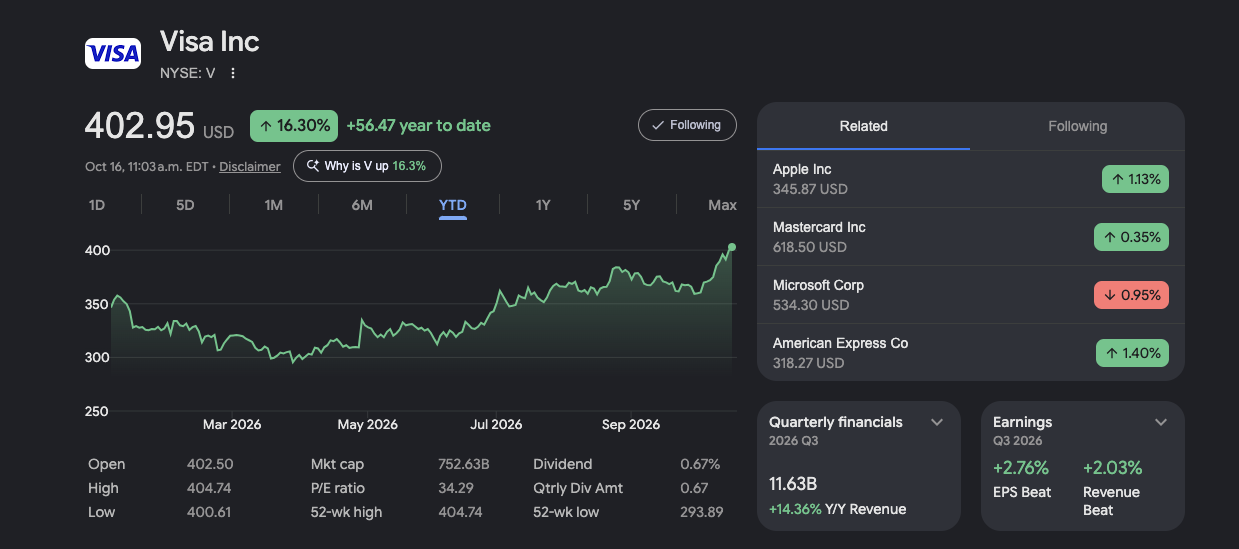
Yes I'm happy with the capital appreciation, but that's actually not the most important point.
I could spend my life only being a customer of these financial companies, or I could also become an owner.
I believe principle still remains.
Which side of the financial system are we building toward?
The side constantly paying interest?
Or the side accumulating assets that have the potential to generate income and appreciate.
I Am Still A Consumer
I don’t want people to hear this episode and think I don’t spend money.
That's definitely not how I live.
If you've listened to this podcast, you already know I have things I enjoy spending money on.
Motorcycles are one of my money dials and my S2000 is another.
I believe money is supposed to be enjoyed.
But I also don't want all of my money going in one direction.
Yes I'm going to consume.
I'm going to buy gas.
I'm going to use a credit card.
I'm going to have a mortgage.
I'm going to pay insurance.
I'm going to buy groceries.
Those things are part of life.
But somewhere along the way, I want money flowing back towards me through ownership.
I want assets. I want investments. I want businesses working for me.
From Consumer To Owner
I think one of the biggest financial transitions a person can make is going from thinking exclusively like a consumer to also thinking like an owner.
Consumers look at a bank and see somewhere to get a mortgage.
Investors can look at that same bank and see a business.
Consumers look at an energy company and see the price at the pump.
Investors see a company generating revenue.
Consumers see Visa on the front of their credit card.
Investors see a global payments business.
We all have to consume.
But once you understand investing, you realize: You can participate on both sides.